Creative Pillow Cover: A Designer’s Craft Fair Review
As an embroidery designer who has spent countless weekends behind a folding table at local markets, I have learned that not every digital file translates into a bestseller. We often browse marketplaces looking for the next big trend, but the real test happens when a design is stitched out, hooped, and placed under the harsh fluorescent lights of a convention center or the soft glow of a boutique display. Today, I am reviewing the Creative Pillow Cover machine embroidery design to see if it holds up to the rigorous demands of a craft fair environment.
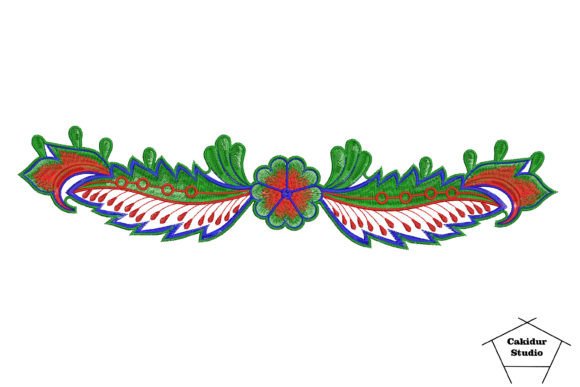
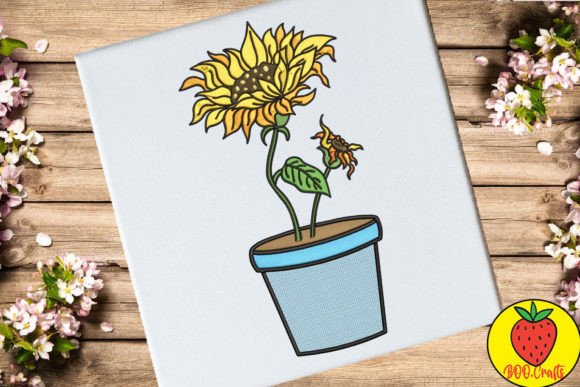
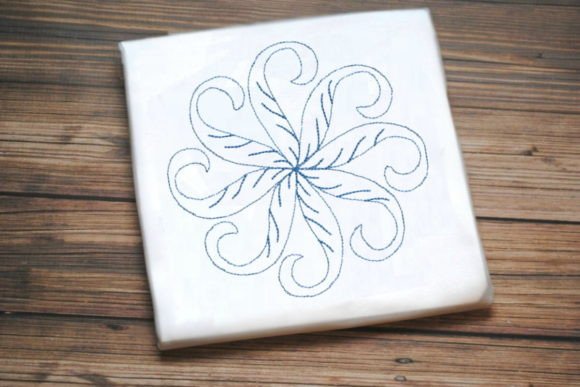
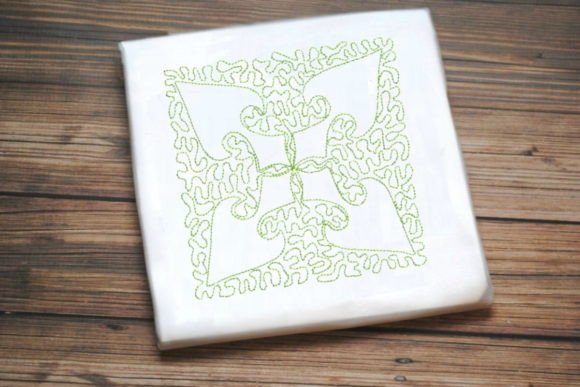
This design falls under the category of Single Flowers Plants, a perennial favorite in the world of Embroidery. The product description highlights its versatility, noting that this creative flower embroidery is perfect for pillow covers, bed sheets, table cloths, t-shirts, canvas, hoodies, and many other items. It also mentions that this machine embroidery design comes with multiple embroidery files, which is a crucial detail for any serious maker. Let us dive into how this design performs in the real world of handmade sales.
First Impressions and Visual Appeal
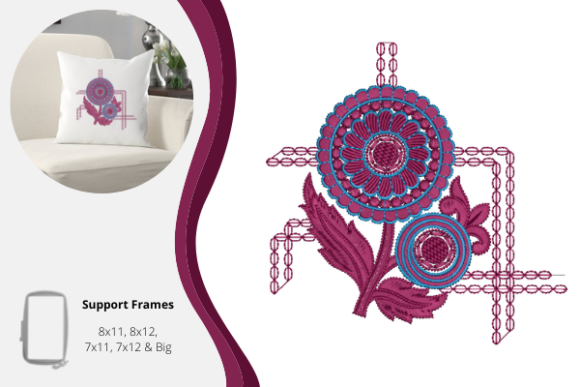
When I first loaded the Creative Pillow Cover design into my software, my immediate impression was one of adaptable elegance. In the crowded marketplace of home decor, floral motifs can easily feel generic. However, this design strikes a balance between modern minimalism and traditional charm. It does not scream for attention with excessive complexity; instead, it invites the viewer to look closer. For a craft fair booth, this is vital. You want a design that feels premium and intentional, not cluttered.
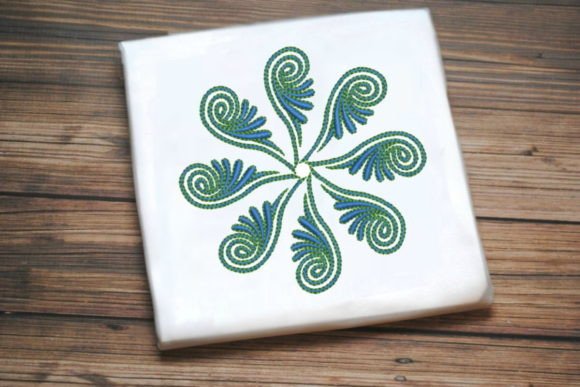
The aesthetic leans towards a soft, decorative style that fits seamlessly into farmhouse, rustic, or contemporary interiors. This broad appeal is essential for a craft fair product because you are catering to a wide demographic. Whether your customer is a young bride building her registry or a homeowner looking to refresh their living room, this floral motif offers a neutral yet stylish option. The visual weight of the flower suggests it can serve as a focal point without overwhelming the fabric it rests on.
Versatility Across Product Lines
The true strength of the Creative Pillow Cover lies in its adaptability. While the title suggests pillow covers, limiting this design to a single product would be a missed opportunity. In my experience, the most successful booths offer a cohesive collection where one design asset shines across multiple items. Here is how I envision this design performing across various mediums:
- Pillow Covers: This is the natural home for the design. A large hoop size allows the flower to breathe, creating a luxurious, custom look that justifies a higher price point.
- Tote Bag Design: Placing this flower on a canvas tote creates an instant bestseller. Shoppers love personalized, sturdy bags, and the contrast of thread against natural canvas is visually striking.
- Apron Embroidery: For kitchen-focused buyers, an apron with a single, elegant flower near the pocket or hem adds a touch of professionalism and charm.
- Tea Towel Embroidery: This is a high-volume, lower-price item. The design must be scaled down appropriately to fit the narrower width of a towel while maintaining clarity.
- Embroidered Patch: If the stitch density allows, this could be stunning as an iron-on patch, appealing to the younger demographic who customize denim jackets and backpacks.
- Hoodies and T-Shirts: For apparel, placement is key. A small version on the chest or a larger version on the back can transform a basic garment into a handmade product worth buying.
For an Etsy seller or online boutique owner, this versatility means you can create a comprehensive printable mockup strategy. You do not need five different designs to fill your shop; you need one strong digital embroidery file executed well across five different products.
Production Practicality and Batch Selling
From a production standpoint, time is money. When preparing for a market, I need designs that are reliable and repeatable. The Creative Pillow Cover appears to be structured for efficiency. Because it is a single flower element, it likely avoids the excessive jump stitches and complex color changes that slow down multi-needle machines. This makes it ideal for batch production. You can hoop ten pillow covers and run them through sequentially, maximizing your output before the fair opens.
However, practical selling points go beyond speed. The design must photograph well. In online listings, lighting can flatten details. A design with good dimensionality and clear lines, like this floral piece, tends to pop in photos. It creates a tangible sense of texture that draws the click. For a small shop product, this visual impact directly correlates to conversion rates.
Careful-Use Notes and Technical Considerations
While the design is versatile, there are technical pitfalls to avoid. As an experienced designer, I advise paying close attention to stitch density. If the flower has dense fill areas, it may pucker lightweight fabrics like silk or thin cotton. Always use the appropriate stabilizer—cut-away for stretchy fabrics like hoodies and tear-away for stable woven fabrics like pillow covers.
Additionally, consider the fabric texture. On textured towels or thick canvas, fine details might get lost. If the design includes tiny leaves or intricate centers, test it on your intended material first. Dark fabric presents another challenge; ensure your thread colors have enough contrast. A pastel flower on navy blue might look muddy from a distance, whereas bright whites or yellows will stand out.
Curved surfaces, such as caps, require careful hooping. If you plan to use this design on headwear, ensure the size fits within the curved area without distorting the shape. Since the product description states it comes with multiple embroidery files, check if a smaller version is included specifically for hats or pockets.
Enhancing Brand Consistency and Buyer Engagement
Using a consistent design like Creative Pillow Cover across your booth strengthens your brand identity. When customers see the same elegant floral motif on a tote, a pillow, and an apron, they perceive a curated collection rather than random items. This coherence builds trust and encourages multiple purchases. It signals that you are a professional commercial embroidery artist who cares about aesthetics.
Buyer engagement increases when customers can visualize the product in their lives. A pillow cover is not just fabric; it is comfort. An apron is not just clothing; it is culinary creativity. By showcasing this design on varied items, you tap into these emotional connections. The design acts as a bridge between the functional item and the buyer's lifestyle aspirations.
Final Designer Recommendations
Before you commit to producing a full inventory, follow these steps to ensure success:
- Test on Scrap Fabric: Never skip this step. Stitch the design on the exact fabric you plan to sell.
- Check Thread Contrast: Ensure your thread choices complement the fabric color and enhance the design's visibility.
- Review Spacing and Hoop Size: Confirm that the design fits comfortably within your hoop without hitting the edges.
- Inspect Stitch Density: Look for any areas that are too dense for your chosen fabric and adjust if necessary.
- Create Real Mockups: Photograph the finished product in natural light to use in your design assets and marketing materials.
- Confirm Licensing: Since this is a digital embroidery file, verify the commercial license terms. Ensure you are allowed to sell the finished product physically.
In conclusion, the Creative Pillow Cover is a strong contender for any embroidery business. Its blend of aesthetic appeal, versatility, and production efficiency makes it a smart choice for both physical craft fairs and online stores. By understanding its strengths and respecting its technical requirements, you can turn this single floral design into a cornerstone of your product line.