Growing Flowers: A Designer’s Review for Real Projects
As an embroidery designer who has spent years digitizing patterns and reviewing thousands of machine embroidery design files, I have developed a keen eye for what works in the real world. It is not enough for a pattern to look pretty on a screen; it must hold up under the needle, survive the wash cycle, and appeal to the end customer. Recently, I evaluated Growing Flowers, a charming addition to the Borders category, to see if it truly delivers on its promise of making designs look "out of this world." Here is my practical assessment of how this embroidery asset performs in actual production environments.
First Impressions: Mood and Visual Personality
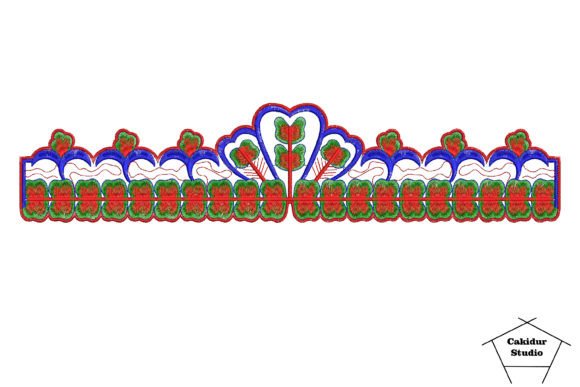
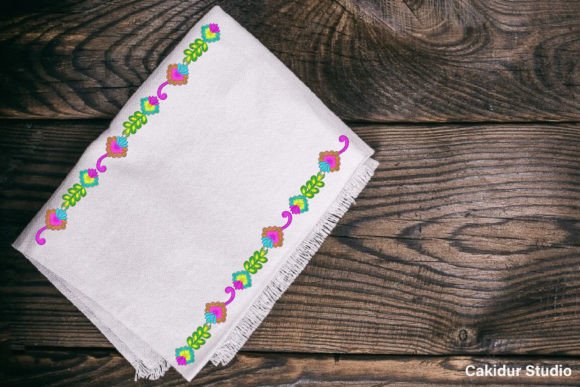
The first thing that strikes you about Growing Flowers is its organic, whimsical energy. Unlike rigid geometric borders, this design feels alive. The layout suggests a natural growth pattern, with stems and blooms that seem to creep gently across the fabric. This visual personality makes it incredibly versatile. It does not scream for attention with aggressive density or overly complex detailing; instead, it offers an adorable accent that enhances rather than overwhelms the base material.
For designers, this subtlety is a major advantage. The shape and theme lend themselves to a soft, approachable aesthetic. Whether you are aiming for a rustic farmhouse vibe or a delicate nursery look, the design’s inherent flexibility allows it to adapt. The detail level is balanced well—enough intricacy to show off your machine’s precision, but not so much that it becomes a nightmare to stitch out on textured fabrics.
Real-World Application: From Tote Bags to Sweatshirts
To truly test Growing Flowers, I imagined several common scenarios faced by Etsy sellers and craft business owners. Let’s consider a custom embroidered tote bag. Tote bags are often made from canvas or heavy cotton, which can be tricky for detailed work. However, because this design functions as a border, it can be placed along the hem or the top edge, utilizing the fabric’s stability. The flowing nature of the flowers breaks up the monotony of a plain bag, turning a basic handmade product into a boutique-quality item.
Another excellent use case is sweatshirt embroidery. When working with fleece or French terry, you need designs that do not pucker the fabric. Growing Flowers appears to have a thoughtful distribution of stitches. If used as a chest accent or along the cuff, it adds a personalized touch without adding excessive bulk. For baby embroidery projects, such as bibs or onesies, the soft curves of the floral elements are safe and visually appealing to parents looking for gentle, non-gendered decor.
I also see strong potential for this design in holiday embroidery gifts. Imagine stitching this onto a kitchen towel or an apron for a housewarming present. The "growing" aspect symbolizes warmth and home, making it a emotionally resonant choice for a personalized gift. It transforms a standard household item into a cherished keepsake.
Technical Considerations and Fabric Compatibility
While Growing Flowers is described as high-quality, responsible designers know that no single embroidery file is universal. You must consider where the design might face challenges. For instance, using this on stretchy fabrics like jersey knits requires careful attention to your stabilizer choice. A cut-away stabilizer is likely necessary to prevent the border from distorting over time, especially if the garment is washed frequently.
Texture is another factor. On highly textured fabrics like terry cloth or wool, fine details can get lost. If you plan to use this on such materials, consider increasing the scale slightly if your hoop size permits, or choose thread colors with high contrast to ensure the shapes remain distinct. Conversely, on thin, delicate fabrics like silk or lightweight rayon, you must check the stitch density. If the design relies heavily on fill stitch areas, it might pull or pucker the fabric. In such cases, testing on scrap material is non-negotiable.
Curved surfaces, such as caps, present another challenge. Borders are typically linear. Applying a linear border to a curved cap panel requires careful hooping and possibly editing the design to arc slightly. If you are new to cap embroidery, I recommend sticking to flat applications like patches or towels until you are confident in your manipulation skills.
Enhancing Brand Value and Customer Trust
For small shop product lines, consistency is key. Growing Flowers can become part of your brand’s visual language. If you specialize in botanical or cottage-core aesthetics, this design reinforces your brand identity. High-quality stitching builds customer trust. When a buyer receives a finished product with clean lines, proper tension, and no thread breaks, they are more likely to leave positive reviews and return for future purchases.
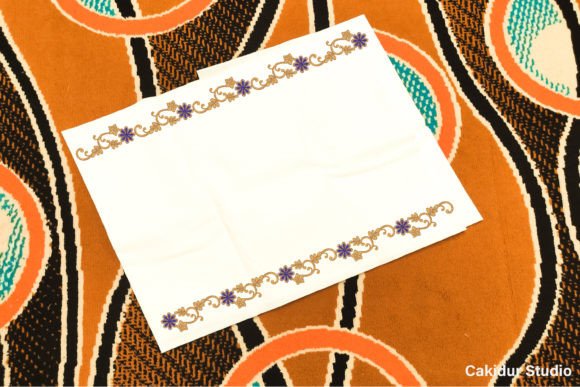
Moreover, this design is excellent for creating printable mockup assets. Because it is visually distinct yet not overly complex, it photographs well. You can use images of this design on various products in your online store to show versatility. This helps potential buyers visualize the custom apparel or home decor items in their own lives, boosting engagement and conversion rates.
Practical Notes for the Embroidery Professional
Before you commit to producing a large batch of items using Growing Flowers, here are my recommended steps:
- Test on Scrap Fabric: Always stitch a test sample on the exact fabric you intend to use. Check for puckering, thread breaks, and registration issues.
- Check Thread Contrast: View your design in black and white on your computer screen. If the details disappear, you may need to adjust your thread colors to ensure clarity.
- Verify Stitch Types: Identify if the design uses satin stitch for outlines or running stitch for details. Satin stitches provide a glossy, premium look but can snag easily. Running stitches are subtle but may require higher quality thread to look professional.
- Confirm Licensing: If you are a digital embroidery file seller or plan to sell finished goods commercially, always confirm the license terms. Ensure you have the right to use the design for commercial embroidery purposes.
- Inspect Small Details: Zoom in on the digital preview. Are there any tiny elements that might not stitch out cleanly? If so, consider simplifying or removing those elements if your software allows.
Final Verdict
Growing Flowers is a solid addition to any designer’s library. It bridges the gap between decorative flair and practical usability. It is not just a pretty picture; it is a functional design asset that can elevate a wide range of products, from embroidered patch collections to high-end tote bag design series. By understanding its strengths and respecting its technical limitations, you can leverage this pattern to create beautiful, profitable, and professional-grade embroidery projects. Remember, the best design is one that not only looks good but also stitches well and satisfies the customer. With careful preparation and thoughtful application, Growing Flowers can help you achieve exactly that.