Hands with Flowers: A Designer’s Review
As an embroidery designer who has spent years digitizing patterns and testing them on everything from delicate silk to heavy denim, I approach every new machine embroidery design with a critical eye. It is not just about whether the pattern looks good on a screen; it is about how it translates into thread, how it feels under the fingertips, and ultimately, how it resonates with the person receiving the finished piece. Recently, I had the opportunity to test Hands with Flowers, a charming addition to the Outline Flowers category, specifically to see if it could elevate the personalized gift products in my small shop.
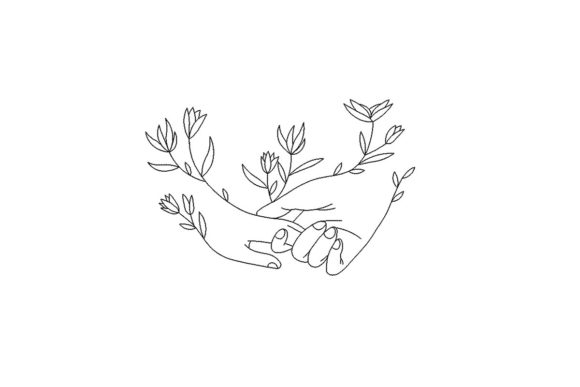
The first impression of Hands with Flowers is one of gentle intimacy. There is something profoundly human about the imagery of hands holding blooms. It suggests care, offering, and tenderness. For a designer, this emotional weight is invaluable. When I loaded the embroidery file into my software, I was immediately struck by the balance between simplicity and detail. The outline style gives it a modern, airy feel, avoiding the heaviness that sometimes plagues floral designs. This makes it versatile enough to feel both classic and contemporary, depending entirely on your choice of thread colors and fabric.
Why This Design Works for Personalized Gifts
In the world of handmade sales, particularly for Etsy sellers and small business owners, the story behind the product is just as important as the product itself. Hands with Flowers tells a story without saying a word. I imagined several real-case scenarios where this design would shine. Consider a customer looking for a meaningful baby shower gift. Embroidering this motif on a soft muslin blanket creates a heirloom-quality item that parents will cherish. The "hands" can symbolize the parents holding their new child, while the flowers represent growth and beauty. It transforms a standard blanket embroidery project into a sentimental keepsake.
Similarly, for wedding gift designers, this pattern offers a romantic yet understated elegance. Imagine it stitched onto a high-quality linen tea towel or a set of napkins. Unlike overly ornate monograms that might clash with various home decors, the organic shape of the flowers and hands fits seamlessly into rustic, bohemian, or modern minimalist interiors. As a personalized gift, it allows the buyer to choose thread colors that match the couple’s wedding palette, making the custom embroidery feel bespoke and thoughtful.
Versatility Across Product Lines
One of the strongest assets of Hands with Flowers is its adaptability. During my testing phase, I explored how it performed on different substrates. Here is where I found it most effective:
- Nursery Decor: Stitched on a pillow cover, the design adds a soft, artistic touch to a child’s room. The outline style ensures it doesn’t look too juvenile, allowing it to grow with the child.
- Kitchen Textiles: An embroidered towel featuring this motif becomes a functional piece of art. It appeals to customers who love hosting and want their kitchen items to reflect a handmade aesthetic.
- Tote Bags and Aprons: For craft fair products, tote bags are staples. Placing this design on a canvas tote creates an instant bestseller. It is visible, recognizable, and carries a positive, nurturing vibe.
- Wedding Keepsakes: Beyond towels, consider stitching this on a ring bearer’s pillow or a guest book cover. It serves as a subtle wedding gift accent that ties into floral themes without being overpowering.
Technical Considerations for Embroiderers
While the aesthetic appeal is high, practical application requires attention to detail. As with any digital embroidery file, success depends on preparation. Before committing to a final finished product, I always advise running a test on scrap fabric. This is crucial for checking the stitch density. Outline designs can sometimes appear sparse if the tension is off, or they may pull on lightweight fabrics if the density is too high for the material chosen.
Fabric texture plays a significant role here. On smooth cotton or linen, the lines of the hands and petals will be crisp and clear. However, on textured fabrics like terry cloth towels or heavy knits, some of the finer details might get lost. If you are working with an embroidered towel, ensure you use a cut-away stabilizer to prevent the design from distorting over time, especially since towels undergo frequent washing. For stretchy baby clothes, a combination of tear-away and fusible stabilizer might be necessary to keep the fabric flat during stitching.
Another critical factor is color contrast. Since this is an outline design, the thread color must stand out against the background. I tested Hands with Flowers on both light and dark fabrics. On white linen, a soft sage green or dusty pink thread looked elegant and subtle. On navy blue cotton, a cream or gold thread provided a striking, high-contrast look that popped beautifully. Always create a printable mockup or do a physical stitch-out to confirm your thread choices before listing the item for sale.
Navigating Potential Challenges
There are areas where caution is needed. If you plan to scale the design down significantly for small items like baby booties or handkerchiefs, be wary of losing definition. Small lettering or intricate finger details in the hands may merge if the hoop size is too small relative to the stitch count. Although the exact stitch count and file formats are not specified in the basic description, it is imperative to check these details in the product listing before purchase. Ensure the design fits within your machine’s maximum hoop area without requiring excessive resizing, which can distort the proportions of the hands and flowers.
Additionally, consider the end-use of the product. Items that require frequent, harsh washing, such as kitchen aprons or baby burp cloths, need robust stitching. Verify that the design’s connection points are secure. A loose thread in an outline design can unravel more noticeably than in a satin-stitch filled design. Using high-quality polyester or rayon threads will enhance durability and sheen, contributing to the perceived value of the handmade product.
Boosting Perceived Value and Customer Trust
From a business perspective, Hands with Flowers is a tool for building brand identity. When customers see a well-executed, emotionally resonant design, their trust in your craftsmanship increases. This design helps bridge the gap between a generic commodity and a cherished small shop product. It encourages engagement; buyers are more likely to share photos of their unique items on social media if the design is photogenic and meaningful.
For those engaging in commercial embroidery, remember to verify licensing terms. Most digital designers allow the sale of finished physical goods, but restrictions on sharing the actual embroidery file are standard. Always respect intellectual property rights to maintain a professional reputation in the crafting community.
In conclusion, Hands with Flowers is more than just a pattern; it is a versatile asset for any embroidery entrepreneur. Whether you are creating baby embroidery items, wedding favors, or home decor, this design offers the right blend of simplicity and sentiment. By paying attention to fabric choice, stabilizer selection, and thread contrast, you can transform this digital file into a tangible expression of care. It is a design that invites the maker to slow down and appreciate the process, resulting in a product that truly feels unique and special.