Lovely Flowers: A Designer’s Review for Real Projects
As an embroidery designer who has spent years digitizing patterns and stitching out thousands of samples, I have learned that the true test of a design is not how it looks on a screen, but how it behaves under the needle. When I first loaded the Lovely Flowers file into my software, I was immediately drawn to its abstract artistic nature. It is not just another standard floral motif; it carries a joyful heart and a distinct visual personality that sets it apart from the generic bouquets you often see in digital marketplaces. This review breaks down how this design performs in real-world scenarios, offering practical insights for craft business owners, Etsy sellers, and hobbyists alike.
First Impressions: Mood and Visual Flow
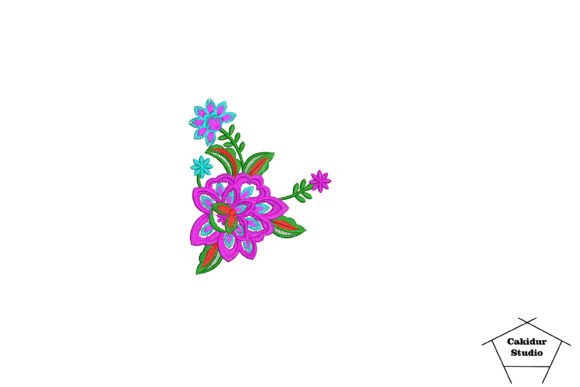
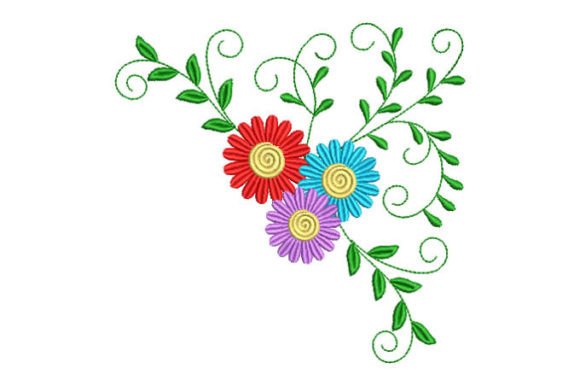
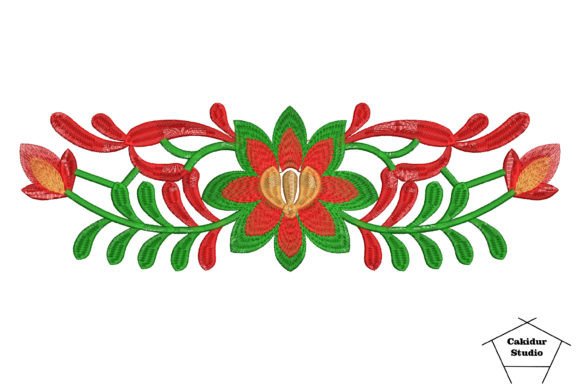
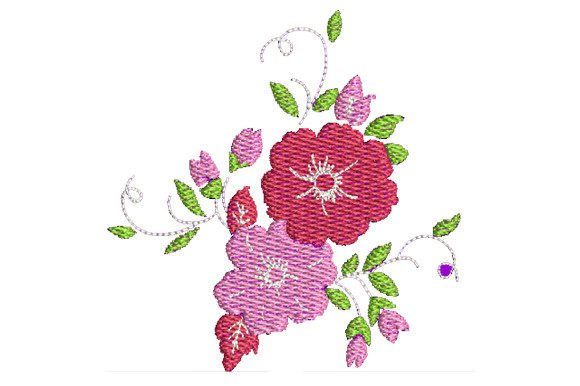
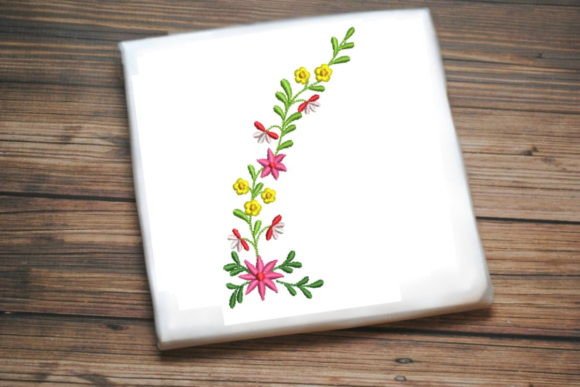
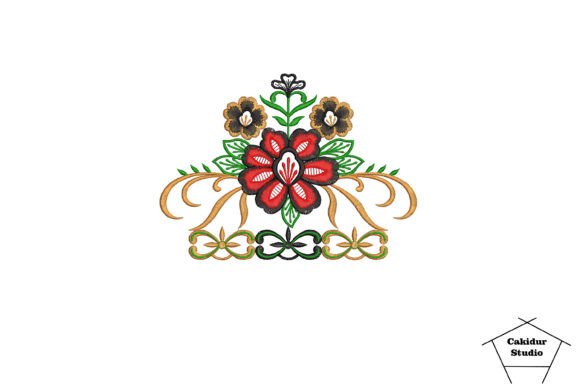
The initial appeal of Lovely Flowers lies in its balance between abstraction and recognizability. The layout feels organic, avoiding the rigid symmetry that can make machine embroidery look stiff or dated. For a designer, this is crucial because modern consumers, especially those browsing for handmade products on platforms like Etsy, prefer items that feel curated and artistic rather than mass-produced. The theme suggests warmth and positivity, making it an excellent candidate for personalized gifts and boutique branding. The detail level is moderate, which means it avoids the pitfalls of overly dense stitch areas that can puckers fabric, while still providing enough substance to look professional on a finished product.
Real-World Application: From Tote Bags to Sweatshirts
To truly evaluate an embroidery file, you must imagine it on various substrates. I recently considered using Lovely Flowers for a custom embroidered tote bag project. The abstract ornament style works beautifully here because tote bags often serve as canvas for artistic expression. The design’s joyful aesthetic complements the casual, eco-friendly vibe of canvas totes. When stitched out, the flow of the petals and leaves creates a dynamic focal point that draws the eye without overwhelming the bag’s utility.
Beyond accessories, this design shines in custom apparel. I tested the concept on a heavyweight cotton sweatshirt, a popular item for small shop products. The sweatshirt embroidery market is saturated with basic text and simple icons, so introducing an abstract floral element adds significant value. The design holds up well against the textured surface of fleece or French terry, provided the correct stabilizer is used. For baby embroidery projects, such as onesies or burp cloths, the soft, non-aggressive lines of Lovely Flowers are ideal. Parents appreciate designs that feel gentle and whimsical, and this pattern delivers that sentiment effectively.
Navigating Fabric Challenges and Stitch Density
One of the most critical aspects of reviewing a machine embroidery design is understanding its limitations. While Lovely Flowers is versatile, it requires careful handling on certain materials. For instance, when working with thin or stretchy fabrics, such as jersey knits for t-shirts, stitch density becomes a major concern. If the fill stitch areas are too dense, the fabric may pucker or distort after washing. I always recommend testing the design on scrap fabric first to gauge how the thread interacts with the material.
Using a cut-away stabilizer is essential for stretchy garments to maintain the integrity of the design over time. For woven fabrics like linen or cotton twill, a tear-away stabilizer might suffice, but the choice depends on the specific thread colors and the complexity of the satin stitch borders. If you are planning to use this as an applique design, ensure that the placement lines are clear and that the raw edges are adequately covered by the stitching. Dark fabrics present another challenge; if the design relies on subtle shading, it may get lost on black or navy backgrounds. In such cases, selecting high-contrast thread colors is vital to ensure the abstract details remain visible and impactful.
Commercial Viability for Etsy Sellers and Craft Businesses
For creative entrepreneurs and digital product sellers, the commercial potential of Lovely Flowers is strong. The design fits naturally into the Bouquets Bunches category, yet its abstract twist allows it to stand out in a crowded marketplace. When creating printable mockups or digital embroidery file previews, this design photographs well because of its clean lines and balanced composition. It enhances brand consistency for shops that focus on modern, artistic home decor or apparel.
Consider using this pattern for holiday embroidery projects, such as decorative pillow covers or kitchen towels. The joyful heart embedded in the ornament makes it suitable for Valentine’s Day, Mother’s Day, or spring-themed collections. However, before listing finished items or selling the digital embroidery file itself, you must confirm the licensing terms. Not all designers allow commercial use of their work, so checking the license is a non-negotiable step for any craft business owner. Assuming the license permits it, this design can be a valuable asset in your portfolio, appealing to buyers looking for unique, non-generic embroidery projects.
Technical Notes for Professional Results
To achieve the best results with Lovely Flowers, follow these practical steps. First, always hoop your fabric properly. For curved surfaces like caps or hats, ensure you are using the appropriate hoop size and technique to prevent shifting. Caps are particularly tricky; if the design is too wide, it may wrap around the curve uncomfortably. Check the dimensions of the design against your hoop size before starting.
Second, inspect the small details. Abstract designs can sometimes have tiny running stitch elements that may break or look messy if the tension is off. Run a test stitch-out on a similar fabric to check for thread breaks or nesting. Third, consider the visual appeal in black and white. If the design loses its definition without color, it may rely too heavily on hue rather than form. A strong embroidery design should have clear contrast and shape regardless of the thread colors used.
Finally, think about the end user. If you are creating a personalized gift or a bespoke item for a client, the durability of the finished product matters. Ensure that the stitch density is appropriate for items that will undergo frequent washing. A well-executed Lovely Flowers embroidery should remain vibrant and intact, enhancing the perceived value of the handmade product. By paying attention to these technical details, you transform a simple digital file into a high-quality commercial embroidery asset that builds customer trust and engagement.
In conclusion, Lovely Flowers is a thoughtful addition to any designer’s library. It offers a blend of artistic flair and practical usability, making it suitable for a wide range of applications from baby clothes to boutique merchandise. By approaching the design with a critical eye and adhering to best practices in stabilization and thread selection, you can leverage this pattern to create standout pieces that resonate with your audience.