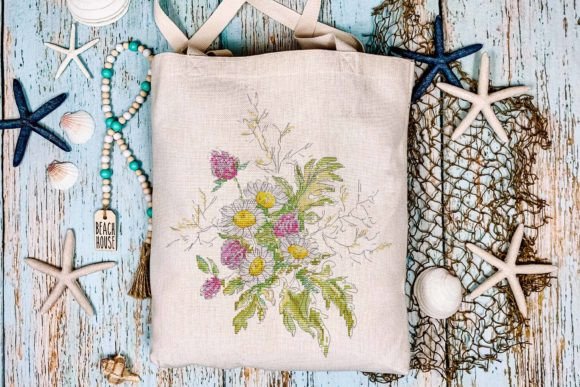
Red Clover with Chamomile Cross Stitch Review
As an embroidery designer who has spent countless weekends behind a craft fair table, I know that the difference between a browser and a buyer often comes down to visual impact. When I first pulled up the Red Clover with Chamomile Cross Stitch design, my immediate thought was about its potential as a high-converting craft fair product. The combination of red clover and white chamomile suggests a soft, rustic aesthetic that fits perfectly into the current trend of cottagecore and botanical handmade goods. This is not just a digital file; it is a potential revenue stream for your small shop if positioned correctly.
First Impressions and Aesthetic Appeal
The title and description hint at a watercolor-inspired look, which is crucial for modern Cross Stitch Patterns. Customers today are moving away from rigid, pixelated looks toward designs that feel organic and artistic. This design appears to bridge that gap. It feels elegant yet approachable, striking a balance between premium quality and friendly DIY charm. For an Etsy seller or boutique maker, this aesthetic is gold. It appeals to a wide demographic, from grandmothers looking for traditional floral motifs to younger buyers seeking trendy wildflower decor.
When evaluating Graphics for production, I look for clarity. Does the design read well from three feet away? Red clover and chamomile have distinct shapes—the trifoliate leaves and the daisy-like flower heads. If the pattern maintains these recognizable silhouettes, it will catch the eye of passersby at a market. The color palette implied by the name—reds, greens, and whites—is classic and safe, ensuring it complements various home decors without clashing.
Product Versatility for Market Sellers
The true test of any design is its adaptability. Here is how I envision using this pattern across different handmade product categories:
- Tote Bags and Market Bags: A tote bag design featuring this floral bouquet would be a bestseller. The horizontal spread of wildflowers works well across the center of a canvas bag. It transforms a simple utility item into a statement piece.
- Tea Towels and Aprons: For tea towel embroidery or apron embroidery, placement is key. A smaller version of this design on the corner of a linen towel adds a touch of sophistication. On an apron, placing the cluster over the pocket or chest area creates a focal point that draws attention to the wearer’s face.
- Embroidered Patches: If you offer embroidered patch products, this design could be scaled down. However, you must be cautious with detail loss. Patches require bold lines, so ensure the stems and petals remain distinct when reduced in size.
- Pillow Covers and Home Decor: A large-scale version on a neutral pillow cover can anchor a living room setup. This appeals to customers looking for ready-to-display home accents rather than DIY projects.
Practical Production and Selling Points
From a production standpoint, batch consistency is vital for craft fair sellers. You need a design that is repeatable and reliable. When working with this pattern, consider the stitch density. High-density areas can cause puckering on lighter fabrics like cotton tea towels. To mitigate this, always use the appropriate stabilizer. For woven fabrics used in cross stitch, a light cut-away or tear-away stabilizer can help maintain the shape of the hoop during stitching.
Photography is another critical factor. This design, with its contrasting red and white elements, should photograph beautifully against natural backgrounds. Think wooden tables, dried grasses, or soft linen backdrops. Creating a printable mockup before you stitch a single thread can save you time. Use digital tools to visualize how the thread colors will pop against different fabric shades. This helps you decide whether to stock cream, white, or natural unbleached cotton items.
Navigating Technical Challenges
While the design is promising, there are careful-use notes every designer must heed. First, check the hoop size requirements. If the design is large, ensure your machine or hand-stitching frame can accommodate it without re-hooping, which can misalign patterns. Second, be mindful of fabric texture. Thick, textured towels might swallow up fine details. If the pattern includes tiny French knots or intricate leaf veins, test it on a scrap piece of your actual inventory fabric first.
Another common pitfall is dark fabric. While red clover stands out on dark navy or black, the white chamomile might require extra passes or thicker thread to achieve full coverage. Always do a test run. If you are selling this as a digital embroidery file or PDF pattern, include clear instructions on recommended fabric types to reduce customer support queries later.
Enhancing Brand Consistency and Value
Incorporating Red Clover with Chamomile Cross Stitch into your lineup can strengthen your brand identity. If your shop focuses on botanicals, nature, or rustic elegance, this design reinforces that narrative. Consistency builds trust. When customers see a cohesive collection of items featuring similar aesthetic themes, they are more likely to purchase multiple items.
Moreover, this design adds perceived value. Hand-embroidered or carefully stitched items command higher prices than printed counterparts. By highlighting the craftsmanship involved in creating each finished product, you justify a premium price point. Use signage at your booth that explains the time and skill involved in creating these pieces. Storytelling sells.
Designer Notes for Best Results
Before you commit to full production, follow these steps:
- Test on Scrap Fabric: Never skip this step. Check for thread breaks, tension issues, and fabric distortion.
- Check Thread Contrast: Ensure the reds and greens distinguish clearly from each other and the background.
- Review Spacing: Make sure elements are not too crowded, which can make cleaning the final product difficult.
- Confirm Licensing: Since the product description mentions it is a PDF for instant download, verify if the license allows for commercial embroidery sales. Some designers restrict the number of physical items you can sell. Always read the terms.
- Create Real Mockups: Stitch one sample item for your display. Real textures sell better than digital images alone.
In conclusion, Red Clover with Chamomile Cross Stitch offers a compelling blend of traditional charm and modern appeal. For the savvy small shop product creator, it represents a versatile asset. Whether you are an Etsy seller optimizing keywords or a craft fair vendor arranging your booth, this design has the potential to drive engagement and sales. By paying attention to technical details like stitch density and fabric choice, you can transform this digital asset into a tangible, profitable reality. Remember, the goal is not just to stitch a pattern, but to create a product that resonates emotionally with your customer. With its gentle wildflower motif, this design does exactly that.